The-Murderess-and-the-Hangman on Facebook


 Viv Groskop
With Aleksandr, David Szalay, winner of the Betty Trask Prize 2008 for his debut London and the South-East, has created an extraordinary character, a KGB man you can imagine knowing or even being. Aleksandr is an idealist, a "real" communist, who truly believes in the system and wants to do the right thing. Anyone who has seen the German film The Lives of Others will recognise the type: he's a cousin of Stasi Captain Gerd Wiesler, another Everyman who suddenly finds himself questioning everything he has ever believed.
 This, then, is a similar situation in Soviet form. Szalay's trick is to make us feel for Aleksandr and sympathise with his dilemmas, while inserting the odd chilling clue as to what's really going on. ("Turn off his light," he says to the officer guarding a man under interrogation and we suddenly realise the conditions the prisoner has been kept in.) Aleksandr's journalist brother, Ivan, offers a foil to the ideological purity; he is prepared to take risks and sees the flaws in the system ? until he becomes a beneficiary of it himself. Over the course of the book, the two brothers swap roles, with Aleksandr becoming more disillusioned and Ivan happily riding the gravy train.
The novel's focus swings dramatically between the two brothers' changing relationship and the fate of Yudin and Lozovsky, until we, like Aleksandr, are no longer sure who's in the right, who is supposedly guilty and who really has done something wrong. The result is not so much a critique of the Soviet system - or of totalitarianism - as a comment on the uncertainty of life, how little we know others or even ourselves.
Woven into the narrative are fascinating accounts of historical moments, seen through the eyes of ordinary Soviets, which gradually affect Aleksandr's mindset: losing to the Germans 3-0 at football in the 1972 European Championship final; Bobby Fischer beating Boris Spassky at the Reykjavik chess championships. When Aleksandr's KGB mentor, a man whom he considers to be as trustworthy and "pure" as himself, is targeted, his world implodes. Meanwhile, there are scenes of quiet, comic desperation from everyday Soviet life. The KGB officer supposed to be intercepting Lozovsky falls asleep at his post. In a communal flat, people find themselves involuntarily registering what their neighbours last had to eat and when they last smoked a cigarette.
This is an exciting and memorable read. Expertly researched, it feels authentic, but wears its learning reassuringly lightly. Anyone who appreciated Martin Amis's Koba the Dread and Orlando Figes's The Whisperers will love it, as will fans of The Lives of Others or Burnt by the Sun. As with both films, the theme of silent, regret-filled horror is beautifully, chillingly captured.
---
guardian.co.uk Copyright (c) Guardian News and Media Limited. 2009
 The question of how to receive an Arts Council Grant in the UK is one writers (in the UK at least) think about often. The following link, niftily entitled "Show Me The Money," is a useful posting by the writer Tom Vowler about how to get these Arts Council Awards. I am currently taking Tom's advice and I will find out in about 1-2 months whether my application has been successful. The recipe for success, in Tom's eyes, is to essentially demonstrate that writing is not an entirely solitary pursuit, that a point does come when you reach out to the community, and the earlier the better. Hence Tom's blog, which receives a decent readership (one marker of which is that most of his posts receive comments). In addition, the Arts Council itself points out that a high number of applicants (40-50%) do achieve these Awards, even if a high percentage are also rejected.
  I would add that applying for an Arts Council Grant - money that is essentially awarded to the UK Arts Council to regional offices around the country - is sourced from the UK Lottery. No irony intended. But even if these Grants are hard to attain, you can definitely improve your chances by being in contact with your regional "assessor," by demonstrating a track record of community action - readings at local bookshops or community centers, or God forbid, writing a blog on the subject of writing. It all adds up.
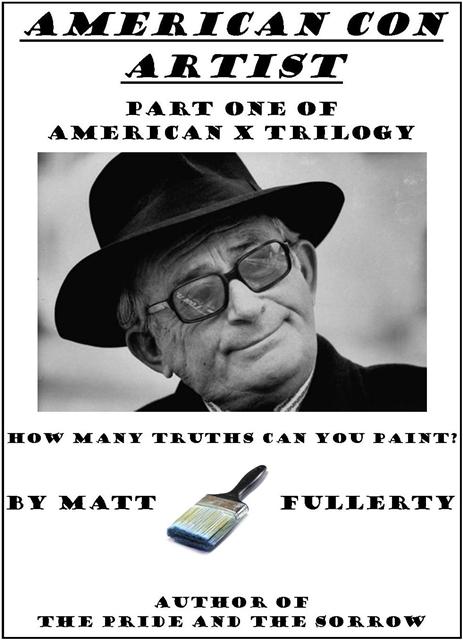cropped.jpg)
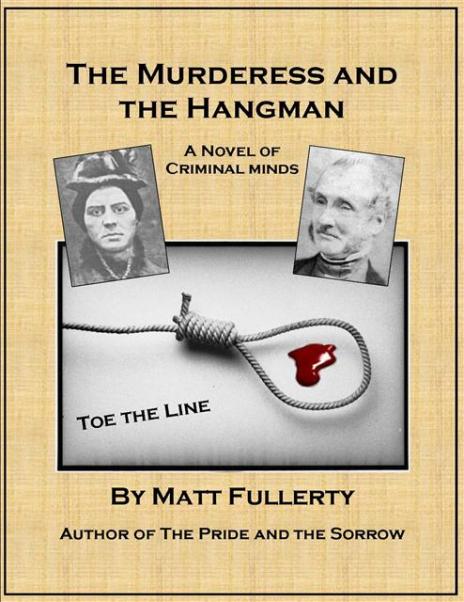.jpg)
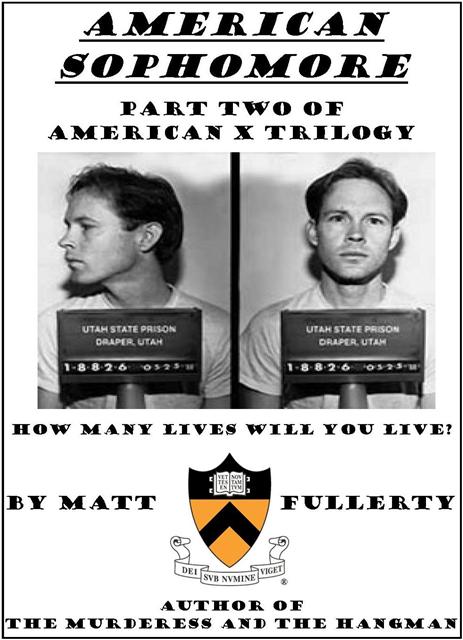cropped.jpg)
cropped.jpg)
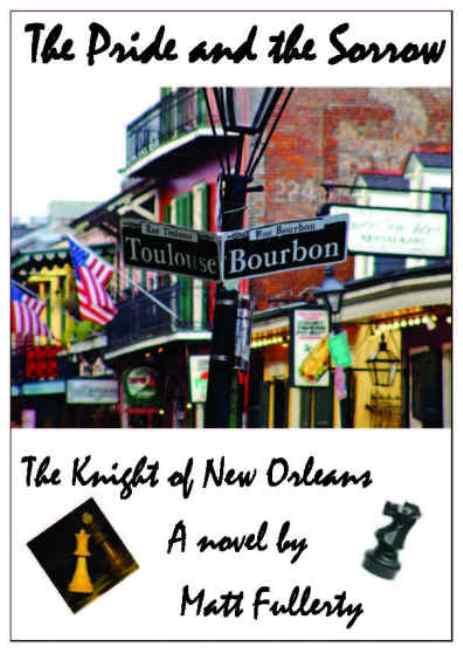2.jpg)
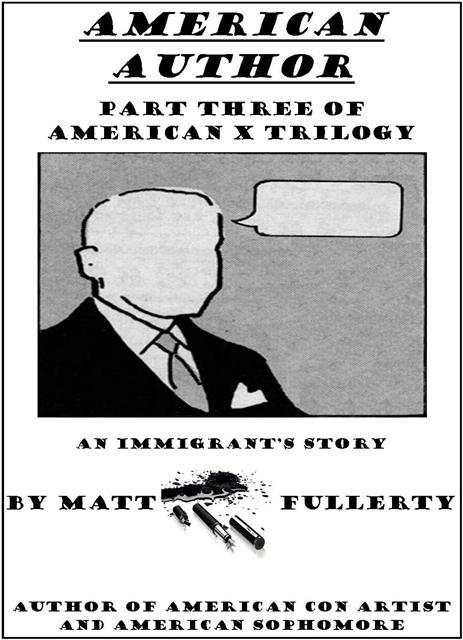Cropped.jpg)
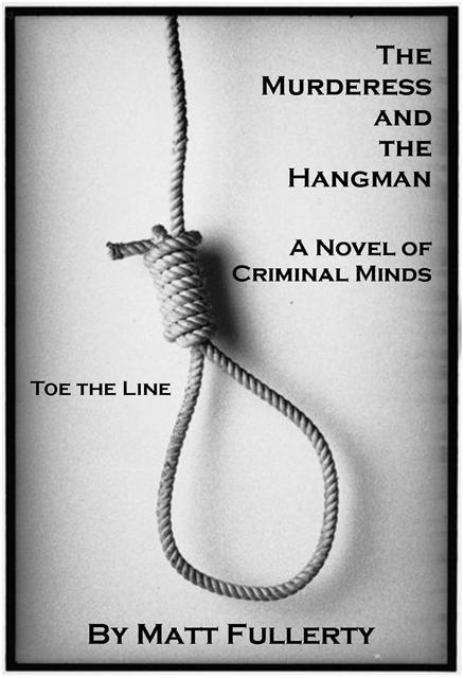cropped.jpg)

4.jpg)







 Posts
All Comments
Posts
All Comments


